Discover Effective Strategies to Keep Your Home Dust-Free All Year
Introduction
Every time sunlight streams through your window, you see it: a slow-motion blizzard of tiny particles floating through the air and settling on every surface. Dust isn't just unsightly--it carries allergens, irritants, and contaminants that can harm indoor air quality, trigger symptoms, and quietly reduce the lifespan of your decor and devices. If you've ever wondered why dust returns so fast or how to stop it at the source, this expert guide is for you. Here, you'll discover effective strategies to keep your home dust-free all year, using a smart blend of prevention, filtration, cleaning technique, and maintenance routines grounded in science and industry standards.
This comprehensive, UK-focused playbook goes beyond quick hacks. It shows you how to build a sustainable, low-dust lifestyle--covering the right equipment, proven routines, seasonal tweaks, and what UK regulations and standards suggest about ventilation, filters, and safe practice. Whether you live in a busy city flat or a rural semi, you'll find a step-by-step method to achieve a truly dust-managed home and keep it that way.
Table of Contents
- Why This Topic Matters
- Key Benefits
- Step-by-Step Guidance
- Expert Tips
- Common Mistakes to Avoid
- Case Study or Real-World Example
- Tools, Resources & Recommendations
- Law, Compliance or Industry Standards (UK-focused)
- Checklist
- Conclusion with CTA
- FAQ
Why This Topic Matters
Household dust is a complex mix: skin flakes, fabric fibres, pollen, soil, soot, pet dander, hair, microplastics, cooking residue, tire wear, and other particles, including fine particulate matter (PM2.5) that can penetrate deep into the lungs. Dust also acts like a sponge for chemicals and pollen, and it can carry dust mite allergens (often named Der p1 or Der f1) and mould fragments. For sensitive occupants--children, older adults, those with asthma or allergies--this can mean flare-ups, poor sleep, or recurring respiratory irritation.
From a building performance perspective, dust builds up in radiators, vents, electronics, and textiles, reducing efficiency and accelerating wear. In the UK, where properties commonly mix older building stock with modern insulation, adequate ventilation and controlled humidity are essential to reduce dust and allergen proliferation. The good news: with a systematic approach, you can discover effective strategies to keep your home dust-free all year, not just for a weekend after a deep clean.
Key Benefits
- Healthier air: Reduces exposure to allergens (dust mites, pet dander), PM2.5, and irritants.
- Less cleaning fatigue: Efficient techniques and prevention diminish how often you need to dust.
- Better sleep and focus: Fewer nighttime irritants and cleaner bedrooms help rest and productivity.
- Longer-lasting furnishings: Less abrasive dust means reduced wear on floors, fabrics, and electronics.
- Energy and cost savings: Clean filters, radiators, and vents operate more efficiently; you replace items less often.
- All-season resilience: With seasonal tweaks, you maintain a dust-managed home through pollen bursts, winter closures, and everything between.
Step-by-Step Guidance
This is your blueprint to Discover Effective Strategies to Keep Your Home Dust-Free All Year. Follow the stages in order, then sustain with simple weekly and seasonal routines.
1) Identify and Block the Big Sources
- Entryways: Install a coarse outdoor mat and a washable indoor mat; adopt a no-shoes policy. Studies commonly show shoes track in a large share of indoor dust (soil, pollen, and micro-particulates). A mat pair reduces tracked-in dust dramatically.
- Windows and doors: Fit effective seals and close obvious gaps with weatherstripping. Minimising uncontrolled drafts reduces ingress of outdoor particulates.
- Textiles: Heavy, shedding fabrics are dust factories. Opt for tightly woven, low-shed textiles in high-traffic rooms.
- Clutter: More surfaces = more dust. Declutter visible shelves and favour closed storage to prevent dust settlement.
2) Choose the Right Vacuum (and Use It Correctly)
- HEPA filtration: In the UK/EU, look for H13 or H14 HEPA under EN 1822, and a sealed body that prevents leakage. This ensures captured dust stays inside.
- Agitation and tools: For carpets, use a motorised brush head; for hard floors, a soft roller. Attach crevice and mattress tools weekly.
- Technique: Slow passes, overlapping in an S-pattern. Vacuum edges and skirting boards where dust accumulates.
- Maintenance: Empty when one-third to half full. Rinse washable filters on schedule. Replace HEPA filters per manufacturer guidance.
3) Master Dusting: Damp and Directional
- Microfibre cloths: Use high-quality 300-350 GSM microfibre dampened with water or a mild, residue-free cleaner.
- Top-to-bottom: Start with light fixtures, cornices, and shelves; finish with floors. This prevents re-settling on cleaned areas.
- Avoid feather dusters: They re-aerosolise particles. Use microfibre wands for high areas instead.
- Electronics and vents: Use a slightly damp microfibre and a soft brush attachment. For radiators, use a radiator brush to remove hidden dust.
4) Filtration and Air Purification
- Mechanical ventilation: If you have MVHR (mechanical ventilation with heat recovery), maintain filters to ISO 16890 guidelines (e.g., ePM1-rated). Replace on schedule.
- Air purifiers: Choose a unit with a HEPA-grade filter (EN 1822) and an activated carbon stage for odours/VOCs. Size by CADR so that the device achieves at least 3-5 air changes per hour in the room. For UK rooms, look for CADR in m?/h.
- Placement: Central in the room with unobstructed intake/outflow. Run on higher settings during pollen season, cleaning, or after cooking.
- Avoid ozone-producing devices: Ionisers and ozone generators can form harmful by-products; choose certified mechanical filtration instead.
5) Humidity Control to Beat Dust Mites
- Target 40-50% RH: Dust mites and mould thrive in higher humidity. A dehumidifier (10-20L/day capacity is common for UK homes) can stabilise RH in winter and shoulder seasons.
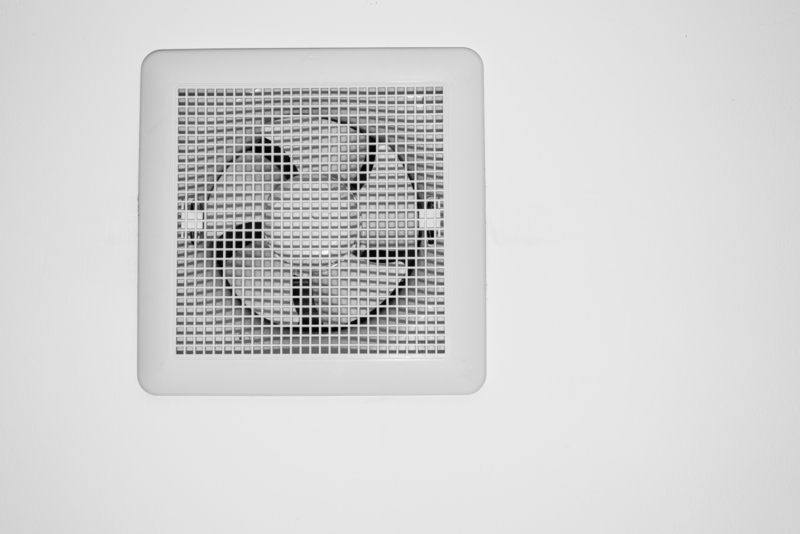
- Bathrooms and kitchens: Run extract fans during and 20-30 minutes after showers or cooking to cut humidity and sticky residues that bind dust.
6) Bedding, Soft Furnishings, and Textiles
- Wash at 60?C: Bedding and pillowcases weekly at 60?C helps denature dust mite allergens; duvets monthly if washable.
- Encasements: Use allergen-proof, zippered encasements on mattresses and pillows.
- Curtains and blinds: Prefer washable curtains or wipeable blinds. Vacuum drapes with upholstery tools monthly.
- Rugs and carpets: Vacuum twice weekly; deep clean or hot-water extract 1-2 times per year.
7) Pet Strategy
- Groom outdoors or in a contained area: Brush pets outside when possible. Wipe paws after walks.
- Wash bedding weekly: Use hot cycles; vacuum surrounding areas more frequently.
- Air purifier in pet zones: Run continuously at low-to-medium speed.
8) Kitchen and Combustion By-Products
- Use extraction: Vent hobs externally where possible; run during and after cooking. Grease aerosols make dust sticky.
- Clean grease filters monthly: Wash metal mesh filters; replace carbon filters as specified.
9) Seasonal Adjustments
- Spring: Pollen spikes--close windows on high-pollen days, run HEPA air purifiers, vacuum more frequently.
- Summer: Manage humidity; wash bedding more often; ventilate during cooler, lower-pollen hours.
- Autumn: Leaf mould and moisture--keep entry mats clean, service dehumidifier, clear gutters to prevent damp ingress.
- Winter: Homes are closed up; dust builds faster. Increase HEPA vacuuming, keep RH in range, and service ventilation filters.
10) Weekly, Monthly, and Quarterly Routines
- Weekly: HEPA-vacuum floors and upholstery; damp-dust all surfaces; wash bedding at 60?C; clean entry mats; wipe skirting boards.
- Monthly: Vacuum mattresses and drapes; clean vents and radiators; launder cushion covers; clean extractor filters.
- Quarterly: Deep clean carpets/rugs; check seals around doors/windows; replace or clean air purifier filters; declutter shelves.
Expert Tips
- Prefer closed storage: Glass-fronted cabinets or drawers collect far less dust than open shelving.
- Switch out high-shed fabrics: Replace fuzzy throws with tightly woven options; choose low-lint towels.
- Microfibre mastery: Fold cloths into quarters; when one face loads up with dust, refold to a clean panel to avoid re-depositing.
- Anti-static where appropriate: A light, residue-free anti-static spray on TV bezels and black furniture can reduce visible lint for days.
- Edge sealing pays off: A small gap under a door can bring in significant corridor dust. Use draught excluders and brush strips.
- Mind the mattress base: Dust collects under beds; choose raised frames that allow easy vacuuming or storage boxes that block dust.
- Radiator fins: Dust acts as insulation. A radiator brush and a quick vacuum pass improve heating efficiency and cleanliness.
- Keep cleaning solutions simple: Residues attract dust. Mild detergents and well-rinsed cloths leave surfaces less sticky.
- Robot vacuums as helpers: Use a robot daily for maintenance, plus a weekly manual HEPA vacuum for edges and upholstery.
- Measure to manage: A basic PM2.5 monitor and hygrometer reveal patterns so you can adjust ventilation, purification, or routines.
Common Mistakes to Avoid
- Dry dusting: It lifts dust into the air; use damp microfibre instead.
- Skipping the source: Cleaning without entry-control mats, sealing gaps, or managing textiles means dust returns quickly.
- Buying non-sealed vacuums: If the body leaks, HEPA labels won't help. Demand a sealed system with H13/H14 filtration.
- Ignoring humidity: High RH fuels mites and mould; low RH causes static and resuspension. Aim for 40-50%.
- Over-spraying polish: Heavy polishes leave films that attract more dust.
- Forgetting hidden zones: Behind appliances, on wardrobe tops, under sofas--schedule them monthly.
- Relying on ionisers/ozone: They can produce by-products; use mechanical HEPA filtration instead.
- One-off deep cleans only: Consistent weekly routines beat sporadic marathons.
Case Study or Real-World Example
Household: Semi-detached home in Greater Manchester, family of three with a Labrador. Two carpeted bedrooms, laminate downstairs, MVHR installed, small garden entrance that tracked soil inside.
Challenges: Persistent dust on TV unit and bookshelves within 48 hours; morning congestion for one adult with seasonal allergies; musty odour in autumn.
Interventions (8-week plan):
- Added coarse outdoor mat and washable indoor mat; adopted no-shoes policy.
- Sealed front-door draught gap; installed brush strip.
- Upgraded vacuum to sealed H13 HEPA; added radiator brush and high-GSM microfibre cloths.
- Washed bedding at 60?C weekly; installed mattress and pillow encasements.
- Configured air purifier (HEPA + carbon) in living room at CADR matching 4 ACH; ran during cooking and evenings.
- Maintained RH at 45% with a smart dehumidifier in autumn.
- Decluttered open shelves and moved items into closed cabinets; wiped electronics with anti-static spray.
Results (after 8 weeks):
- Visible dust on black TV unit reduced by an estimated 60-70% (measured by weekly photo logs and wipe tests).
- Bedroom PM2.5 readings dropped from afternoon peaks of 25-35 ug/m? to 8-12 ug/m? on typical days (consumer monitor).
- Morning congestion diminished notably during peak pollen days, according to symptom diary.
- Radiators heated rooms faster after fin cleaning, and the musty odour disappeared.
Takeaway: A layered approach--entry control, sealed HEPA vacuuming, filtered ventilation, humidity control, and textile hygiene--delivers compounding gains that make a home feel and look truly dust-managed.
Tools, Resources & Recommendations
Aim for quality in a few key items. The right tools are foundational to discovering effective strategies to keep your home dust-free all year.
Cleaning and Filtration Equipment
- Vacuum cleaner: Sealed body; HEPA H13/H14 per EN 1822; motorised brush head for carpets; soft roller for hard floors; complete tool kit (crevice, upholstery, mattress).
- Air purifier: HEPA-grade filter (with clear EN 1822/ISO details), substantial CADR (m?/h) to achieve at least 3-5 ACH; carbon filter for odours.
- Microfibre cloths: 300-350 GSM, lint-free edges; separate cloths for kitchen, bath, and general dusting.
- Dehumidifier: Smart controls, 10-20L/day capacity for typical UK homes; quiet mode for bedrooms.
- Radiator brush & vent brush: Long, flexible, lint-attracting tools tailored for fins and grilles.
- Entry mats: Coarse outdoor scraper + absorbent indoor mat; washable.
Textile and Allergen Management
- Mattress/pillow encasements: Allergen-proof, zippered, breathable.
- Washable curtains or wipeable blinds: Choose materials that can be laundered or easily wiped monthly.
- Low-shed fabrics: Tightly woven throws and covers; rotate and launder regularly.
Monitoring and Planning
- PM2.5 monitor: Track particle spikes to time purification and ventilation.
- Hygrometer: Ensure RH stays 40-50%.
- Maintenance calendar: Paper or app-based; set reminders for filters, deep cleaning, and seasonal tasks.
Trusted Guidance Sources (to consult)
- NHS guidance on allergies and dust mite control.
- HSE (Health and Safety Executive) for dust control principles and appliance safety.
- BSI standards (EN 1822 for HEPA, ISO 16890 for air filter ratings); Building Regulations Approved Document F for ventilation.
- UK Government Clean Air Strategy for context on indoor/outdoor particulate reduction.
Law, Compliance or Industry Standards (UK-focused if applicable)
While there's no single "dust law" for private homes, several UK frameworks shape best practice for a safer, cleaner indoor environment.
- Building Regulations Part F (Ventilation): Sets requirements for adequate ventilation in dwellings. Good ventilation supports lower indoor particulate levels and moisture control (which curbs dust mites and mould).
- BS EN 1822 (HEPA classification): Defines performance for HEPA filters (H13/H14). Choosing devices tested to this standard ensures effective capture of fine particles.
- ISO 16890 (Air filter testing and classification): Replaced older EN 779. Filters are rated by their efficiency against PM1, PM2.5, and PM10. For MVHR or room purification, seek ePM1-rated filters for fine particle control.
- HSE COSHH principles: Though aimed at workplaces, the hierarchy of control (eliminate at source, contain, ventilate, filter) informs effective home dust control strategies.
- BS 5250 (Management of moisture in buildings): Guides moisture control--key for preventing mite and mould proliferation.
- Product safety and UKCA/CE marking: Appliances should carry appropriate conformity markings and safety certifications.
- Homes (Fitness for Human Habitation) Act 2018: Landlords must ensure properties are free of hazards, including damp and mould, which correlate with dust and allergen issues.
- WHO guidelines on PM2.5: Inform targets for healthier indoor air; lower PM2.5 levels yield better respiratory outcomes.
Compliance takeaway: Aligning your home practices with these standards--especially Part F ventilation and filter standards EN 1822 and ISO 16890--helps ensure that purification and ventilation choices are both safe and effective.
Checklist
Weekly
- HEPA vacuum floors, edges, and upholstery.
- Damp-dust all horizontal surfaces, electronics, and skirting.
- Wash bedding at 60?C; vacuum mattress top.
- Shake/clean entry mats; maintain no-shoes policy.
- Check RH (40-50%); adjust dehumidifier or ventilation.
Monthly
- Vacuum drapes; wipe blinds and window frames.
- Clean radiator fins and vents.
- Launder cushion covers and throws.
- Clean cooking extractor filters.
- Inspect and rinse/replace pre-filters on purifiers.
Quarterly/Seasonal
- Deep clean carpets and rugs.
- Service MVHR/ventilation filters (ISO 16890-rated).
- Seal gaps around doors/windows; replace worn draught strips.
- Review clutter; move items to closed storage.
- Adjust routines for pollen season or winter closure.
Conclusion with CTA
Dust is relentless--but it's not inevitable. With the layered approach outlined here, you'll Discover Effective Strategies to Keep Your Home Dust-Free All Year: control entry, eliminate sources, filter the air, master damp dusting, and set routines that stick. The payoff is immediate--cleaner-looking rooms, clearer breathing, and fewer hours lost to endless wiping.
Start with the high-impact steps today: install quality mats, upgrade to a sealed H13 HEPA vacuum, and set your RH to 40-50%. Then add seasonal and textile strategies to lock in long-term results. Your home can be cleaner, healthier, and easier to maintain--all year round.
Get a free quote today and see how much you can save.
FAQ
How often should I vacuum to keep dust under control?
For most homes, vacuum high-traffic areas and upholstery twice weekly, bedrooms at least weekly, and edges/skirting weekly. Add a monthly deep pass behind furniture and under beds.
What is the difference between HEPA H13 and H14, and which should I choose?
Both are high-efficiency filters under EN 1822. H14 captures an even greater proportion of fine particles than H13. For homes, a sealed H13 system is typically excellent; H14 can be beneficial for severe allergy needs if the device is well-sealed and appropriately powered.
Do air purifiers actually help with household dust?
Yes--if sized correctly and using genuine HEPA with a sealed design. Choose a purifier with enough CADR to achieve 3-5 air changes per hour in the room and place it with clear airflow.
Is it better to have carpets or hard floors for a dust-free home?
Hard floors don't trap dust but can allow more resuspension when disturbed. Carpets trap dust but require thorough HEPA vacuuming. The best choice depends on your routine: if you vacuum diligently, low-pile carpet can work; otherwise, hard floors plus frequent damp cleaning may be easier.
How can I reduce dust mites specifically?
Maintain RH at 40-50%, use allergen-proof encasements, wash bedding at 60?C weekly, and vacuum mattresses and soft furnishings with a HEPA tool. These steps significantly cut mite allergen loads.
Do houseplants reduce dust?
Plants can settle some dust on leaves but are not a primary dust control. Focus on source control, HEPA filtration, and damp dusting. Keep plant soil free of mould and dust by wiping leaves.
Are ionisers or ozone generators good for dust control?
They're not recommended for homes. Some models can create ozone or unwanted by-products. Choose certified mechanical filtration (HEPA) and activated carbon for safe, effective control.
What's the best way to dust blinds and shutters?
Close slats, wipe with a damp microfibre from top to bottom; reverse slats and repeat. For heavy buildup, use a vacuum brush tool first, then a damp wipe to finish.
Should I keep windows open for ventilation if I want less dust?
It depends on outdoor conditions. On high-pollen or high PM days, keep windows closed and use mechanical ventilation or purifiers. Ventilate when outdoor air is cleaner (cooler evenings, after rain).
Do essential oils or sprays help reduce dust?
Fragrances don't remove dust and can add VOCs. Use mild, residue-free cleaners; residues and heavy polishes can attract more dust later.
Are robot vacuums worth it for dust control?
Yes--as a supplement. Run a robot daily to maintain floors, then do a weekly manual HEPA vacuum for edges, upholstery, and mattresses, plus monthly deep cleans.
How often should I change air purifier or MVHR filters?
Follow manufacturer schedules. Many pre-filters need monthly cleaning, HEPA every 6-12 months, and MVHR filters every 6-12 months depending on use and outdoor conditions.
Is dry dusting ever acceptable?
Only for light, non-static areas and if followed immediately by vacuuming. Damp microfibre is consistently better at capturing and holding dust without re-aerosolising it.
What's a realistic budget to implement these strategies?
A sealed HEPA vacuum (?150-?400), a capable air purifier (?150-?500 per key room), quality microfibre sets (?15-?40), decent mats (?30-?80), and a hygrometer (?10-?25) can transform results. Scale gradually if needed.
How do I handle dust if I have pets that shed heavily?
Brush pets outdoors, vacuum daily or run a robot, wash pet bedding weekly, and run a HEPA purifier in living areas. Consider low-shed fabrics and keep grooming tools by the door.
Will decluttering really make a difference?
Yes. Fewer horizontal surfaces and fabrics reduce dust settlement and shorten clean-up time. Closed storage is one of the highest-leverage dust-reduction tactics.
By embedding these methods into your routine, you'll genuinely Discover Effective Strategies to Keep Your Home Dust-Free All Year--delivering cleaner air, fewer allergens, and a calmer, lower-maintenance home.