Neal Street upholstery cleaning specialists near Seven Dials: a practical guide to cleaner fabrics, better care, and local know-how
If you live, work, or run a busy short-let near Seven Dials, upholstery takes a beating faster than people expect. Coffee drips, lunch crumbs, pet hair, city dust, and the odd wine spill all settle into fabric and never really leave on their own. That is where Neal Street upholstery cleaning specialists near Seven Dials come in: the right service can restore appearance, reduce lingering odours, and help your furniture last longer without making a fuss about it.
This guide walks through how upholstery cleaning works, what to look for in a local specialist, when it makes sense to book, and how to avoid the little mistakes that can turn a simple refresh into a costly headache. Nothing fancy. Just the useful stuff, explained properly.
Expert summary: Good upholstery cleaning is not just about making a sofa look brighter for a few days. It is about choosing the right fabric-safe method, treating stains early, protecting delicate trims, and drying the item well enough that it does not end up musty. If you are comparing options near Seven Dials, the best results usually come from a careful inspection, realistic expectations, and a cleaning plan matched to the material rather than a one-size-fits-all approach.
Contents
- Why Neal Street upholstery cleaning specialists near Seven Dials Matters
- How Neal Street upholstery cleaning specialists near Seven Dials Works
- Key Benefits and Practical Advantages
- Who This Is For and When It Makes Sense
- Step-by-Step Guidance
- Expert Tips for Better Results
- Common Mistakes to Avoid
- Tools, Resources and Recommendations
- Law, Compliance, Standards, or Best Practice
- Options, Methods, or Comparison Table
- Case Study or Real-World Example
- Practical Checklist
- Conclusion
- Frequently Asked Questions
Why Neal Street upholstery cleaning specialists near Seven Dials Matters
Upholstery is one of those things people stop noticing until it starts looking tired. In a lively part of central London like Seven Dials, that happens quickly. Foot traffic brings in fine dust, nearby cafes mean more food and drink mishaps, and compact homes often see the same sofa used for everything: working, eating, relaxing, and occasionally collapsing after a long day. Truth be told, fabric furniture works hard.
That matters because upholstery is more delicate than hard flooring. A quick scrub with the wrong product can leave rings, flatten fibres, or strip colour. And yes, the cushion might still look "clean" at first glance, but the stain can keep rising back through the weave. A specialist understands that the visible mark is only part of the story. There is residue, underlay moisture, body oils, and in some cases odour trapped deep in the filling.
There is also a local angle here. Narrow stairways, older buildings, mixed-use properties, and time-sensitive access all shape how a cleaning visit is carried out around Neal Street and Seven Dials. A good provider plans for that. They ask the right questions, arrive prepared, and do not treat every job like a standard suburban lounge with acres of space and perfect ventilation. That sounds obvious, but it really is not.
For many people, the real value is peace of mind. A proper upholstery clean can make a room feel brighter, less stuffy, and more cared for. You notice it when you sit down. The armrest feels fresh rather than greasy. The fabric does not carry that faint old-smell after the heating has been on all day. Small things, but they add up.
How Neal Street upholstery cleaning specialists near Seven Dials Works
Professional upholstery cleaning usually starts with inspection. The cleaner identifies the fabric type, checks for labels or cleaning codes where available, and looks closely at wear patterns, stains, fading, trims, buttons, and seams. That first look is not just routine; it shapes the entire method. Cotton mix, wool, velvet, microfibre, synthetic blends, and leather-like materials all behave differently.
Once the fabric is understood, the specialist chooses a cleaning approach. That may involve low-moisture extraction, hot water extraction where suitable, controlled foam cleaning, dry compound methods, or targeted stain treatment. The point is to lift soil safely, not soak the furniture. Too much water is a classic problem. It can leave a sofa damp for too long, and damp fabric is never a good scene.
Pre-treatment is usually next. This is where spots are loosened, traffic areas are worked on, and specific issues such as drink marks or food residue are given extra attention. In some cases, a separate stain removal process is used before the main clean. If you want to understand the broader approach to spot work, the service overview for stain removal is a useful reference point.
Then comes the cleaning itself. The cleaner works methodically across the piece, often section by section, using tools suited to the fabric. A hand tool for the edges, a gentler pass on the cushions, extra care around piping. This is where experience matters. A rushed pass can leave water marks or uneven drying. A careful pass leaves the piece refreshed, not overworked.
Finally, there is drying and finishing. Depending on the material and the room conditions, the cleaner may use air movers, open ventilation advice, grooming, or a final fabric check. You want even drying, proper pile alignment, and no sticky residue. The job should end with a sofa or chair that looks better and feels clean, not one that needs another clean because of a mistake at the start. A bit dramatic? Maybe. But fabric will punish carelessness.
Key Benefits and Practical Advantages
The obvious benefit is appearance. Upholstery cleaning lifts general dullness and helps furniture regain its original colour and texture. But that is only the start. A clean sofa can change how an entire room feels. The space looks cared for. It smells fresher. Guests notice, even if they do not say so out loud.
There are also practical advantages:
- Longer furniture life: Removing embedded grit reduces friction on fibres and can slow wear.
- Better comfort: Clean fabric feels softer and less clingy, especially on high-use seating.
- Improved hygiene: Regular cleaning removes everyday soil, crumbs, oils, and allergens trapped in the fabric.
- Odour control: Food smells, pets, and stale air can linger in upholstery more than people realise.
- Better presentation: Useful for home selling, rental turnovers, office reception areas, and hospitality settings.
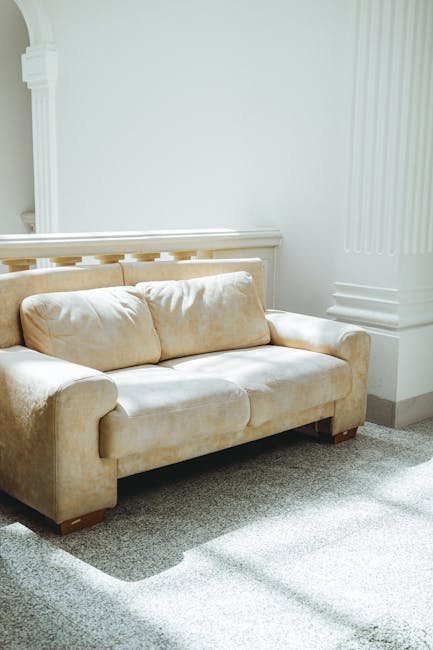
There is a quieter benefit too: confidence. When a sofa is visibly clean, you stop worrying about who is sitting where, or whether that pale armchair has become a permanent stain magnet. And if you have ever looked at a cream chair under afternoon light and thought, "oh dear, that is not ideal," you know the feeling.
If your furniture is part of a larger clean-up, it can make sense to coordinate services. For example, some households pair upholstery work with carpet cleaning or even curtain cleaning so the whole room feels balanced rather than just one item being refreshed while everything around it still looks tired.
Who This Is For and When It Makes Sense
Upholstery cleaning is not only for visibly dirty furniture. That is a common misconception. In reality, many people book when the fabric still looks "fine" from across the room but feels less fresh up close. That is often the right moment, to be fair, because it is easier to maintain upholstery than to rescue heavily neglected fabric.
This service makes sense for:
- Homeowners who want to restore a sofa, armchair, dining chair, or ottoman.
- Landlords and letting agents preparing a property between tenancies.
- Short-let hosts who need a quick turnaround and a presentable finish.
- Cafes, salons, studios, and offices with upholstered seating.
- Families with pets, young children, or heavy daily use.
- Anyone dealing with repeated spills, odours, or general dinginess.
It also makes sense when you see early warning signs: cushions that look flat and grey at the edges, a lingering smell after windows have been shut, or marks that come back after DIY spot cleaning. If that sounds familiar, you are not behind. You are just at the point where professional help will do more than another dab with kitchen roll.
There is one more group worth mentioning: people with sensitive fabrics or sentimental furniture. Sometimes a chair has more emotional value than market value. Grandparents' armchair. A reading chair bought after your first proper pay packet. That sort of thing. A specialist can often help preserve it rather than replace it.
Step-by-Step Guidance
If you are booking Neal Street upholstery cleaning specialists near Seven Dials for the first time, a simple process keeps everything smoother.
- Identify the item and fabric. Check labels if they are available. If not, note the material, colour, age, and any problem areas.
- List the issues clearly. Is it general dirt, a spill, pet odour, ink, makeup, food, or just tired-looking fabric?
- Ask about the cleaning method. A good specialist will explain what is suitable and what is not for your piece.
- Prepare the room. Move small items, clear floor space, and make access easier. Around central London properties, access is often the part that catches people out.
- Test and pre-treat. Expect the cleaner to test discreetly where needed, especially on older or delicate upholstery.
- Allow for proper drying. Don't rush this. Good drying is part of the clean, not an optional extra.
- Check the finish. Look at seams, corners, cushions, and under the cushions too. A quick, calm inspection is enough.
If the upholstery is badly stained or the odour is strong, it is often sensible to combine the clean with a focused treatment rather than hoping the main clean will solve everything. For pet-related issues, the service page for pet stain and odour removal is relevant, because pet problems are a bit of a category of their own. Anyone with a dog knows that.
A small but useful point: ask how long the room should be kept well ventilated after cleaning. In real homes, drying time can vary depending on weather, heating, fabric density, and airflow. One rainy London afternoon can make a noticeable difference.
Expert Tips for Better Results
These are the details that often separate an average result from a genuinely good one.
- Act early on spills. Blot, do not rub. Rubbing drives the stain deeper and can distort the pile.
- Know your fabric. Delicate or colour-sensitive textiles need gentler treatment than synthetic seating.
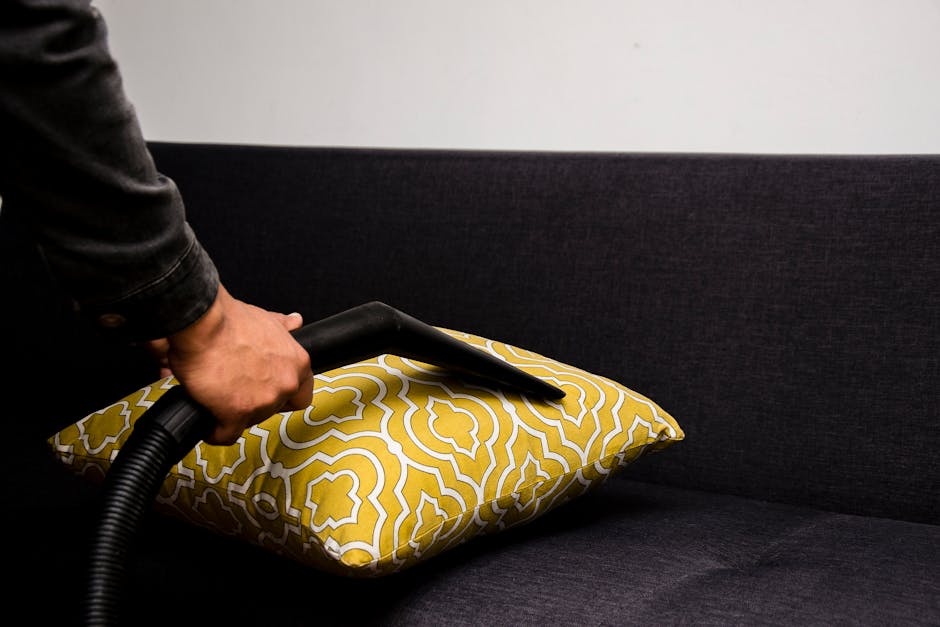
- Vacuum before cleaning. Loose grit can turn into mud when moisture is added.
- Be honest about the stain age. Old marks are harder to remove, and pretending otherwise helps no one.
- Avoid over-wetting. If a piece feels very wet after cleaning, that is not a badge of honour.
- Use the room properly after the clean. Let air move around the furniture and keep cushions spaced out until dry.
One useful habit is to rotate cushions if the design allows it. It helps even out wear. Another is to keep food and dark drinks off pale upholstery in the first place, though yes, that advice arrives about ten minutes too late in many households. Still worth saying.
If you are dealing with fabric that is also affected by carpet soil, pairing upholstery care with steam carpet cleaning can be a smart way to address grime that has spread through the room rather than solving just one visible patch.
Common Mistakes to Avoid
People often damage upholstery by trying too hard. That sounds odd, but it is true.
- Using a harsh spray without testing it. A shiny label does not mean it is safe for every fabric.
- Scrubbing aggressively. This can rough up fibres and make the stain spread.
- Assuming all stains are the same. Grease, tannin, dye, and protein stains need different handling.
- Skipping the inspection. Old repairs, loose stitching, or fading can influence how a clean should be done.
- Ignoring drying time. A damp sofa left in a closed room can smell worse later, not better.
- Choosing only on price. Cheap can become expensive very quickly if the fabric is mistreated.
There is also a more subtle mistake: expecting perfection where the fabric itself has aged. If fibres are worn or sun-faded, cleaning can improve them, but it will not magically reverse years of use. A good specialist will say that clearly rather than promising the moon. And frankly, that honesty is reassuring.
Tools, Resources and Recommendations
The best upholstery specialists use tools that suit the job, not just whatever happens to be in the van. That typically means a combination of inspection lights, vacuuming tools, fabric-safe pretreatment, extraction equipment, hand tools for corners, and drying support where needed.
From a customer point of view, the most useful resources are not glamorous. They are the simple things:
- a clear description of your furniture and fabric type;
- photos of stains before the visit;
- access arrangements for flats or offices;
- a note of any previous cleaning attempts;
- your preferred timing for drying and room use afterward.
It also helps to think about the wider room environment. If the upholstery sits beside heavily used carpets, rugs, or curtains, a targeted clean may only go so far unless the rest of the space is looked after too. For area rugs, the matching service is rug cleaning. For larger seating, the specific sofa cleaning service is the natural fit, and for a broader furniture refresh, the main upholstery cleaning page is the most direct place to start.
If you are comparing providers, take a moment to look at practical details too: how quotes are explained, whether payment handling is clear, and how issues are dealt with if something goes wrong. Those are not exciting bits, but they matter. The service pages for pricing and quotes, payment and security, and insurance and safety are the kind of information a careful customer should review before booking.
Law, Compliance, Standards, or Best Practice
Upholstery cleaning itself is not heavily regulated in the way some trades are, but professional standards still matter. In the UK, customers should expect a sensible approach to health and safety, careful handling of cleaning chemicals, appropriate public liability cover where relevant, and honest communication about what the cleaning process can and cannot do.
For a specialist operating in busy central London, best practice usually includes:
- clear risk awareness around slips, moisture, and access routes;
- safe product use and storage;
- care around electrical equipment and extension leads;
- proper care for occupied properties and shared buildings;
- transparent explanation if an item is too fragile or too damaged for standard cleaning.
Privacy and customer handling also matter. If access arrangements, property details, or photos are shared during booking, they should be handled responsibly. It is a small thing, but it is part of trust. If you want to check a provider's broader policies, the pages for privacy policy, terms and conditions, health and safety policy, and recycling and sustainability are worth a look. Those pages tell you a lot about how seriously a business takes its responsibilities.
Best practice, in plain English, is simple: choose people who inspect first, explain clearly, protect your fabric, and do not overpromise. That combination tends to age well.
Options, Methods, or Comparison Table
Different upholstery materials and conditions call for different methods. Here is a straightforward comparison that may help you think through the choice.
| Method | Best for | Strengths | Watch-outs |
|---|---|---|---|
| Low-moisture cleaning | General upholstery refresh, delicate areas, faster drying needs | Gentler on many fabrics, less drying time | May not suit every heavy stain |
| Hot water extraction | Fabric that can tolerate deeper cleaning | Strong soil removal, good for heavily used seating | Over-wetting risk if handled poorly |
| Foam or shampoo-style cleaning | Selected fabric types and controlled surface cleaning | Useful for certain upholstery constructions | Residue can be a problem if not rinsed or managed properly |
| Targeted stain treatment | Single marks, spots, and specific problem areas | Good for focused correction | Does not replace a full clean when the item is broadly dirty |
| Dry compound methods | Some sensitive fabrics or low-moisture situations | Minimal water use, practical in some settings | Not ideal for all soil types |
The best option is not always the "strongest" one. It is the one that matches the fabric, the stain, the condition of the item, and the room you are working in. That is the sort of judgement that comes from experience rather than a sales script.
Case Study or Real-World Example
Here is a realistic example from the kind of situation many central London customers face.
A small flat near Seven Dials had a two-seater sofa in a pale fabric, used daily by two adults and one very muddy spaniel. Nothing catastrophic, just a slow build-up: dull armrests, a faint dog odour after rainy walks, and a couple of dark spots from tea and takeaway spills. The owners had tried an off-the-shelf foam once. It lightened the surface but left the edges patchy and a little stiff.
A specialist visit started with a fabric check and a discreet test. The main clean was adjusted for the material, with extra attention to the arms and the front panel where grime had collected most. The pet-related areas were treated separately, not all bundled into one generic pass. The difference afterwards was not theatrical; it was better than that. The sofa looked brighter, the smell had lifted, and the room felt less heavy when the heating came on in the evening. You could actually sit down and not think about the sofa for five seconds, which is really the point.
That job also showed why local knowledge helps. Access was tight, the building had narrow stairs, and drying needed to be managed carefully because the room did not get much airflow. A cleaner who understands those constraints is much easier to work with than someone who treats the visit as a quick in-and-out job.
Practical Checklist
Use this checklist before you book or prepare for upholstery cleaning.
- Identify the furniture piece and approximate age.
- Check the fabric label if there is one.
- List stains, odours, pet issues, or wear spots.
- Take photos of the problem areas in daylight.
- Clear surrounding space for access and equipment.
- Ask how the item will be cleaned and dried.
- Confirm whether the fabric is suitable for the proposed method.
- Ask about likely drying time in your room conditions.
- Decide whether you want related items cleaned too, such as carpets, rugs, or curtains.
- Review practical details like pricing, payment, and insurance before the visit.
Quick takeaway: the best upholstery clean is usually the one that is carefully matched to the fabric, clearly explained, and properly dried. Simple, but not always easy. That is why a good specialist is worth finding.
If you are at the point of comparing options, it may help to review the business background on about us and then move on to the booking details on contact us. If access or process questions matter to you, the pages for accessibility statement and complaints procedure can also help set expectations.
Conclusion
Neal Street upholstery cleaning specialists near Seven Dials are most useful when you want a careful, fabric-aware clean that suits central London living rather than a one-size-fits-all service. The right approach can brighten a room, remove tired odours, extend the life of your furniture, and save you from the trial-and-error mess of DIY cleaning.
Look for clear inspection, sensible method choice, straightforward communication, and proper drying. That is the formula. Everything else is decoration. And if your sofa has been quietly carrying the weight of busy everyday life, a proper clean can feel like a small reset for the whole room.
Get a free quote today and see how much you can save.
Sometimes the nicest home improvements are the ones you barely notice at first - until you sit down, breathe in, and realise the room just feels better.
Frequently Asked Questions
What do Neal Street upholstery cleaning specialists near Seven Dials actually clean?
They clean fabric-covered furniture such as sofas, armchairs, dining chairs, ottomans, and similar upholstered items. Some specialists also handle related soft furnishings, but the exact approach depends on the fabric and condition of the item.
How often should upholstery be professionally cleaned?
There is no single rule that fits every home. Busy family seating, pet households, and rented properties may need attention more often than low-use furniture. As a general guide, many people book when the fabric starts to look dull, smell stale, or show repeat marks that won't shift with normal care.
Can upholstery cleaning remove old stains?
Sometimes yes, sometimes partly, and sometimes not completely. Old stains are harder because they have had time to bond with the fibres or change the fabric colour. A good specialist will explain what is realistic before starting.
Is upholstery cleaning safe for delicate fabrics?
It can be, if the cleaner uses the right method. Delicate materials need testing, controlled moisture, and careful handling. That is why inspection matters so much. A rushed job can cause more harm than the original stain.
How long does upholstery take to dry?
Drying time depends on the fabric, room temperature, airflow, and cleaning method. Some pieces dry relatively quickly, while thicker cushions or low-ventilation rooms may take longer. It is best to plan for proper airflow rather than assume it will be ready instantly.
Will upholstery cleaning remove pet odours?
Often it helps a lot, especially when the smell is tied to surface soil, dander, or light contamination. Stronger pet-related issues may need a more targeted treatment. If pet smells are the main problem, it is sensible to ask about focused odour work rather than a standard refresh alone.
Do I need to vacuum the sofa before the cleaner arrives?
If you can, yes. A quick vacuum helps remove loose dust and crumbs so the cleaning can focus on embedded soil. It is not always essential, but it usually helps the result.
Can I use supermarket spray cleaners instead?
Sometimes they help with very small, fresh marks, but they are risky on unknown or delicate upholstery. Some sprays leave residue, set stains, or create rings. If the furniture matters to you, testing first is wise, and professional help is often safer.
Is it worth cleaning a sofa that looks slightly worn rather than dirty?
Yes, often it is. Upholstery can look tired because of accumulated soil, body oils, and flattened fibres. Cleaning can restore freshness and make the wear far less obvious. It will not reverse all ageing, but it can make a noticeable difference.
What should I ask before booking upholstery cleaning near Seven Dials?
Ask what method will be used, whether the fabric is suitable, how long drying may take, what stains are realistic to treat, and whether insurance and safety information is available. Clear answers usually indicate a cleaner who knows what they are doing.
Can upholstery cleaning be combined with other services?
Yes, and often that makes sense. Many customers pair it with carpet, rug, curtain, or mattress care so the whole room feels cleaner rather than just one item. It depends on your budget and how the space is used.
What if my upholstery has a stubborn stain that keeps coming back?
That usually means the stain has travelled deeper into the fabric or filling. It may need pre-treatment, repeat attention, or a different cleaning approach. A single quick pass rarely solves it fully, so don't be surprised if a specialist recommends a more careful process.